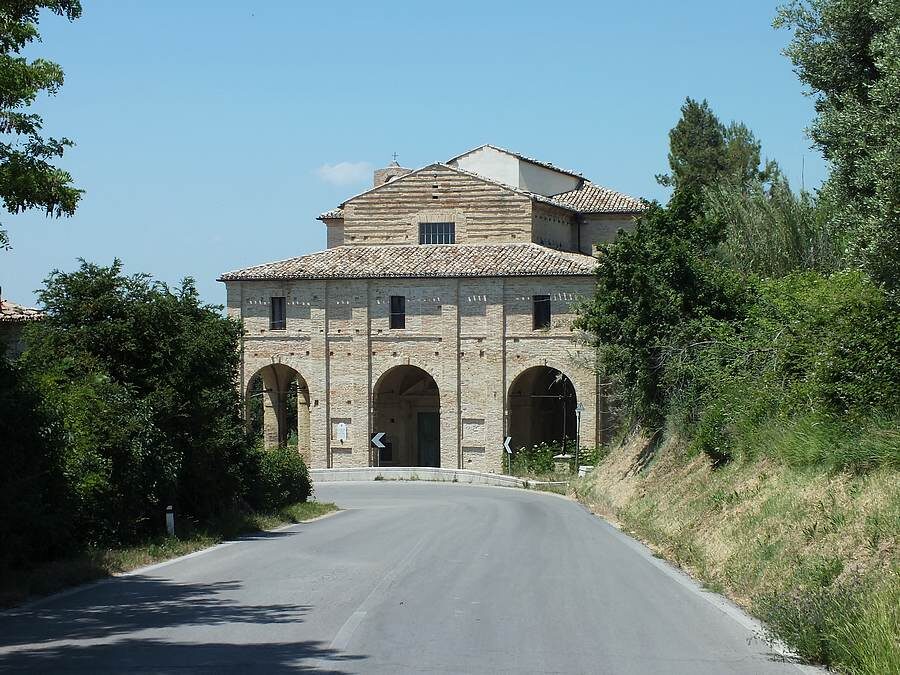
Church
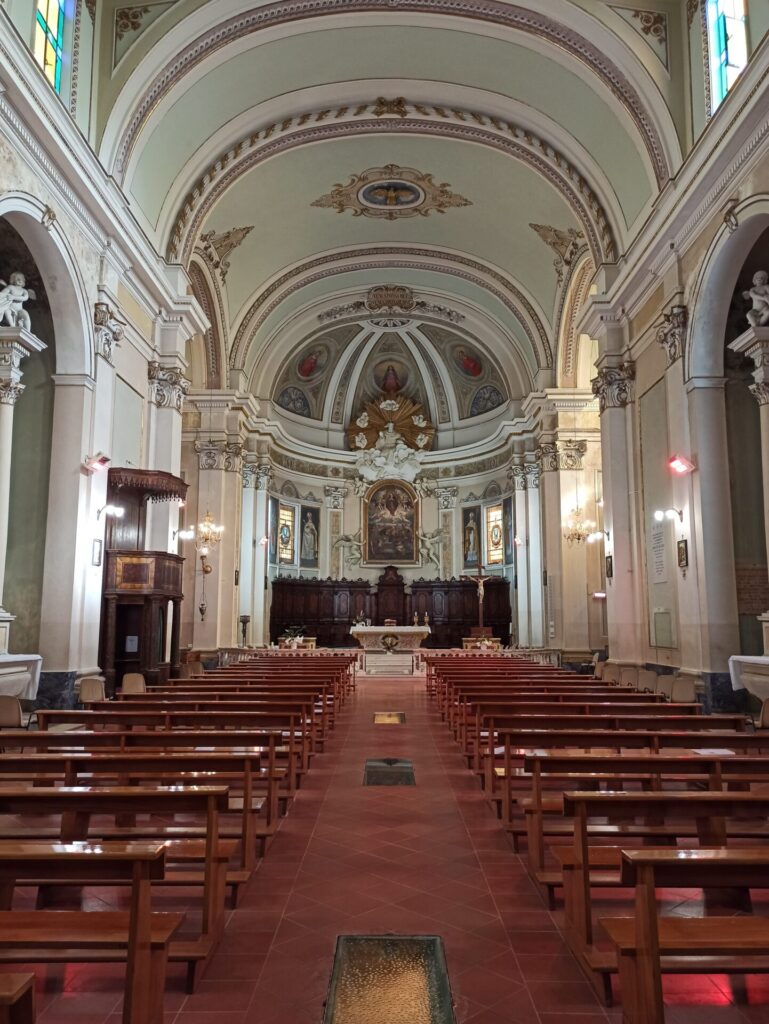
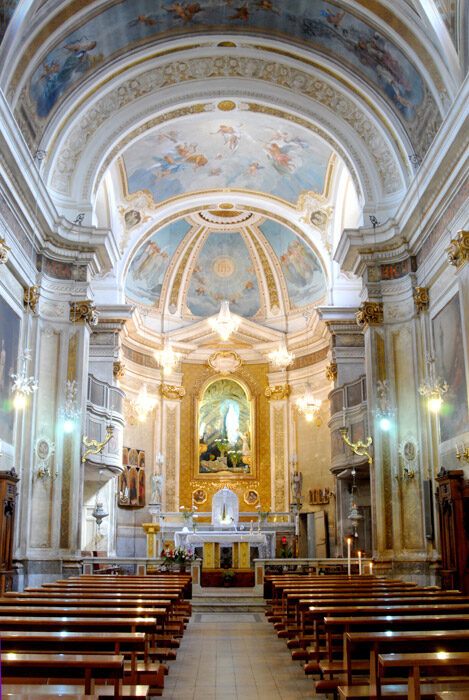
S. Maria dei Letterati (18th century.)
Built on the foundations of the churches of S. Maria della Misericordia and S. Maria dei Letterati, it was promoted to Collegiate church status in 1728 by Benedict XIII. The single-nave plan was modified in 1856 with the addition of the apse and two side transepts, transforming it into a Latin cross plan. Inside, the church houses artistic works of great value. In the apse of the high altar is the 1539 Assumption of the Virgin painting originally commissioned for the Temple of the Annunziata in Florence. The Raphaelesque-style work was created by Vincenzo Pagani (1490-1568), a painter from Monterubbiano whose paintings are housed in major picture galleries throughout Italy. The inlaid walnut root choir was made in 1778 by masters Alessio Donati from Offida and Gaetano Mircoli from Monterubbiano, the latter also being the author of the altars located inside the present San Francesco Auditorium. Above, in the left transept, one can admire the Crucifixion by Lattanzio Pagani (son of Vincenzo and whom Vasari referred to as “Lattanzio della Marca”). On the right, placed to the side of the altarpiece, are three predella panels by Vincenzo Pagani representing: the Kiss of Judas, the Flagellation and the Ascent to Calvary. In the right transept, we can admire the painting of the Apparition of the Sacred Heart to Blessed Margaret Mary Alaloque, an oil on canvas work by painter Luigi Fontana (1827-1908). At the back of the church, above the entrance door there is the organ made in 1794 by the famous Venetian craftsman Callido and recently restored.
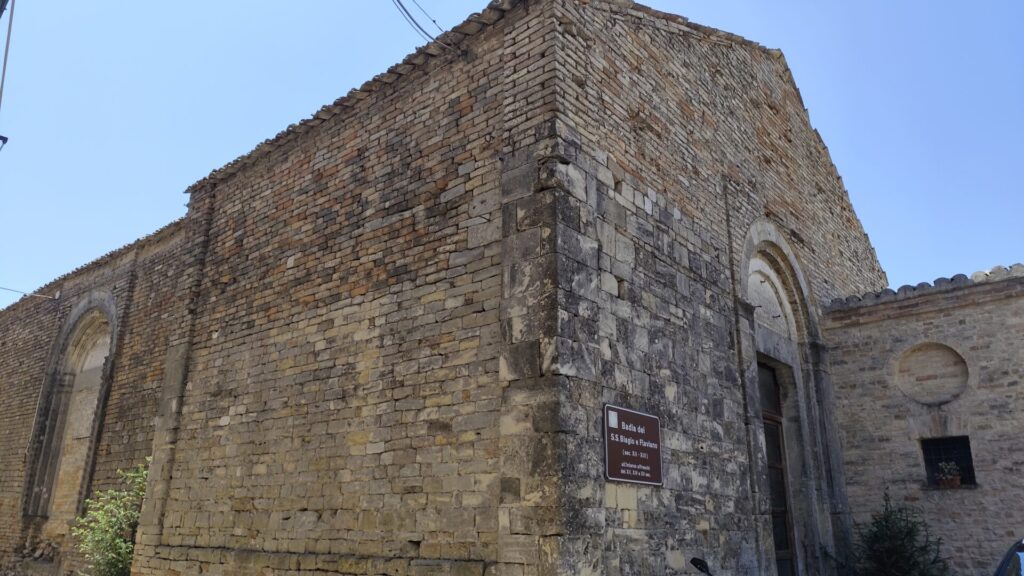
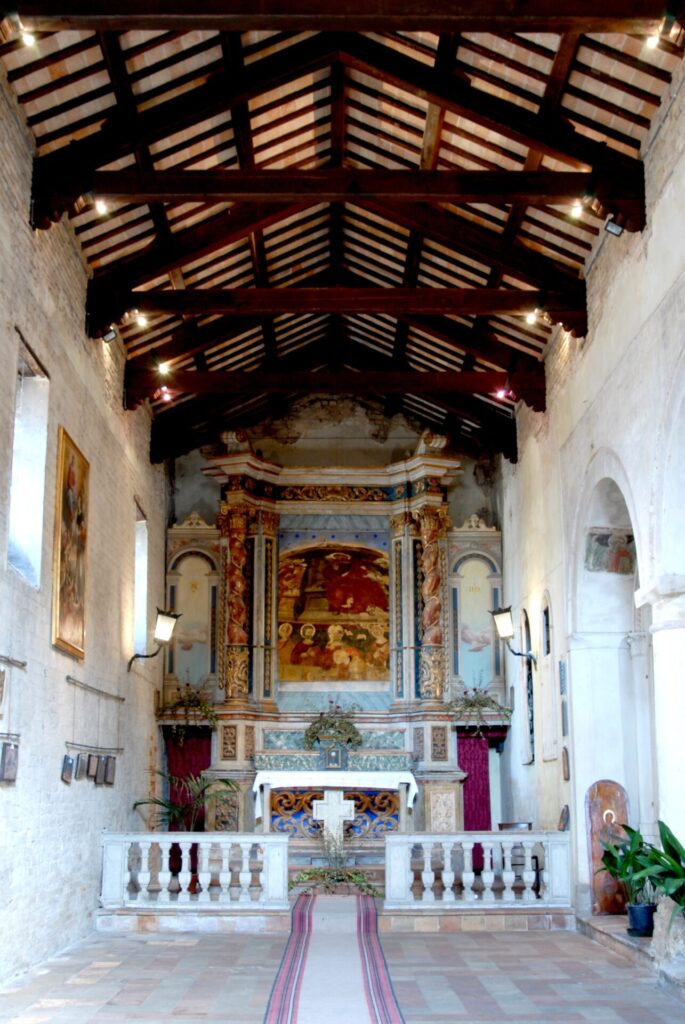
Badia dei SS. Flaviano e Biagio (13th century)
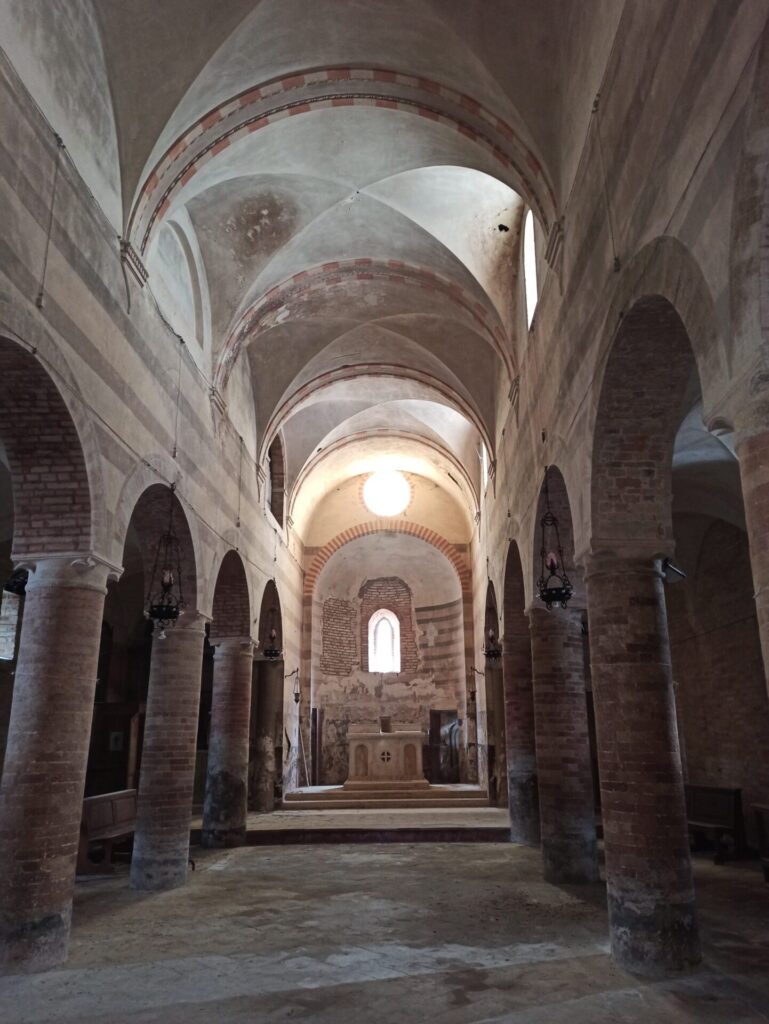
S. Michele Arcangelo (11th century)
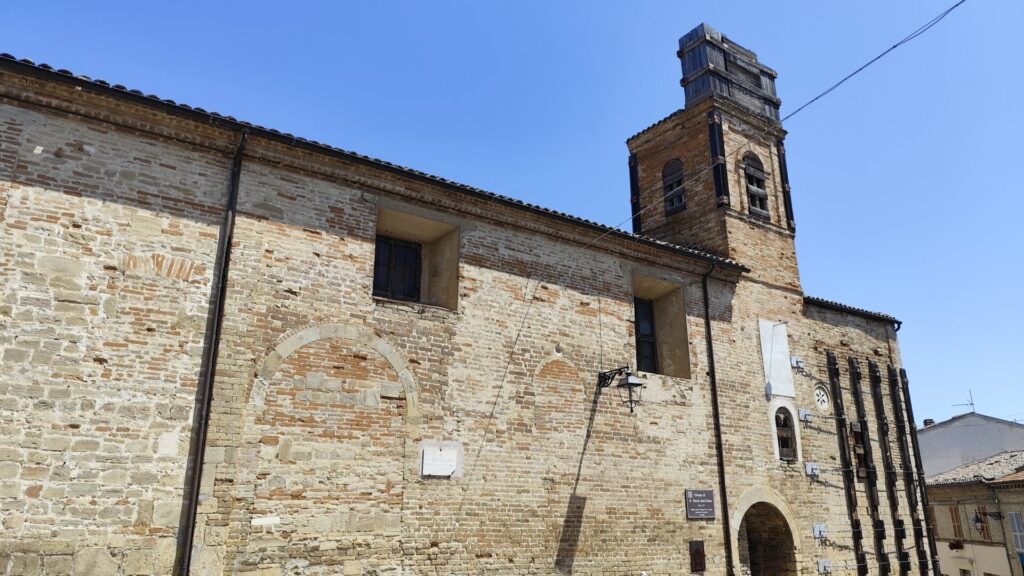
S. Maria dell'Olmo (11th-12th century)
SS. Giovanni Battista ed Evangelista (13th century)
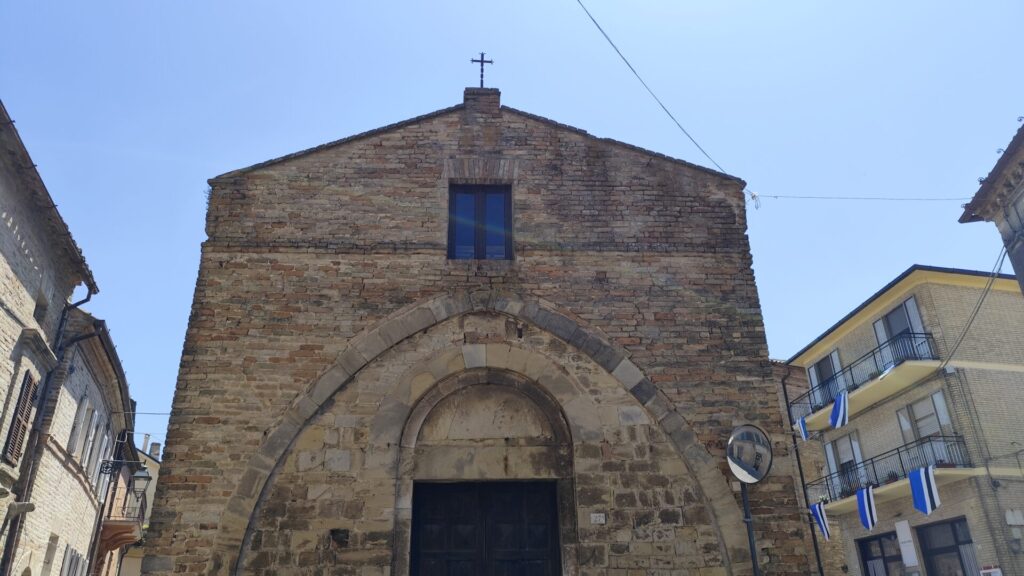
Pievania dei SS. Stefano e Vincenzo (11th century.)
This is the oldest church in the village and has on its exterior side a beautiful portal made using parts of Roman columns.
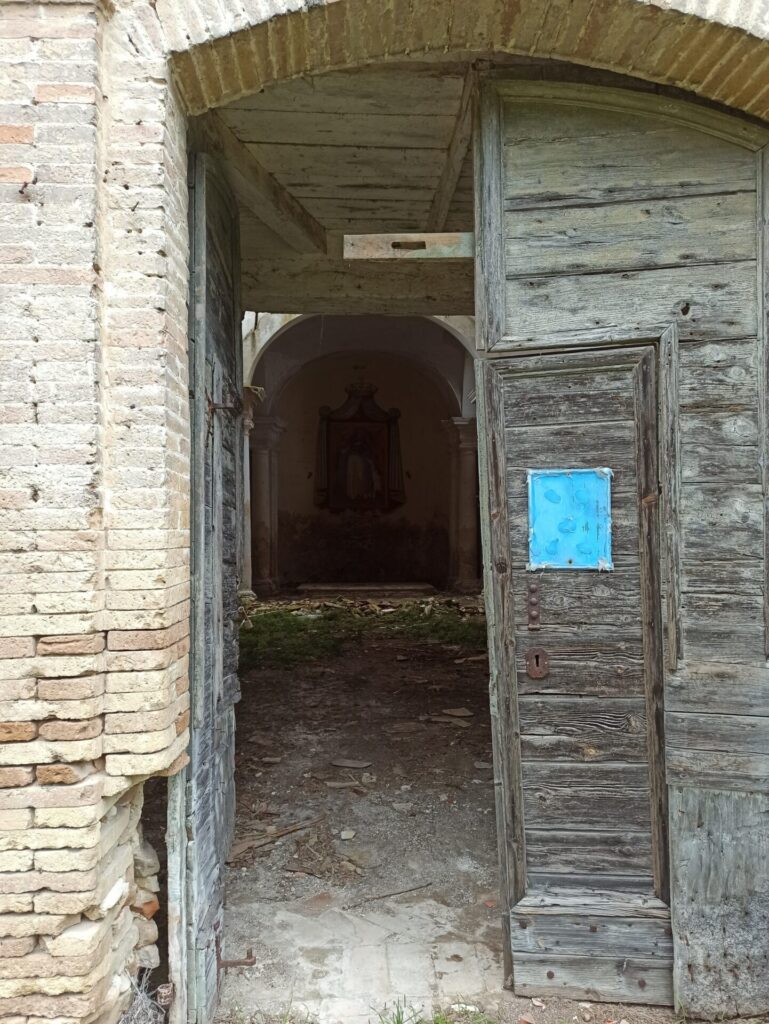
S. Maria dei Monti (16th century)
S. Andrea (12th century)
S. Agostino (13th century)